Founded in Ben Karrich in 2007, the Ain Lahjar Association supports rural women in developing their skills and projects, working alongside them to advance local development and protect the region’s natural resources.
The Beginnings of the Association’s Work with Rural Women
Founded on 18 July 2007 in Ben Karrich, in the province of Tetouan, the Ain Lahjar Association for Rural Women’s Development made improving the circumstances of rural women central to its work, with the aim of helping women participate actively in economic and social life, take on a greater role in their communities and pursue opportunities beyond the traditional roles that had long confined much of their contribution to household and family work.
The association was founded at a time when rural women needed greater access to training, practical support and income-generating activities, and from the outset it invested in women’s abilities, recognising that they needed the knowledge, skills and resources to start, manage and develop their own projects and turn their local expertise into a sustainable source of income.
The association considered women’s living and working conditions and the opportunities available in their communities, identifying activities that could be developed using local resources and giving women room to gain experience, take the initiative and contribute to the development of their families and communities.
Rural Women and the Protection of Natural Resources
Alongside its work to develop economic activities, the association made environmental protection an integral part of rural development, raising awareness among women of the importance of conserving the region’s natural resources and encouraging responsible use of its plants, water and land.
These efforts included raising awareness of the risks of overharvesting plants and depleting natural resources, introducing practices that help maintain vegetation cover and allow it to regenerate, and highlighting the importance of protecting, propagating and conserving plant and tree species in decline.
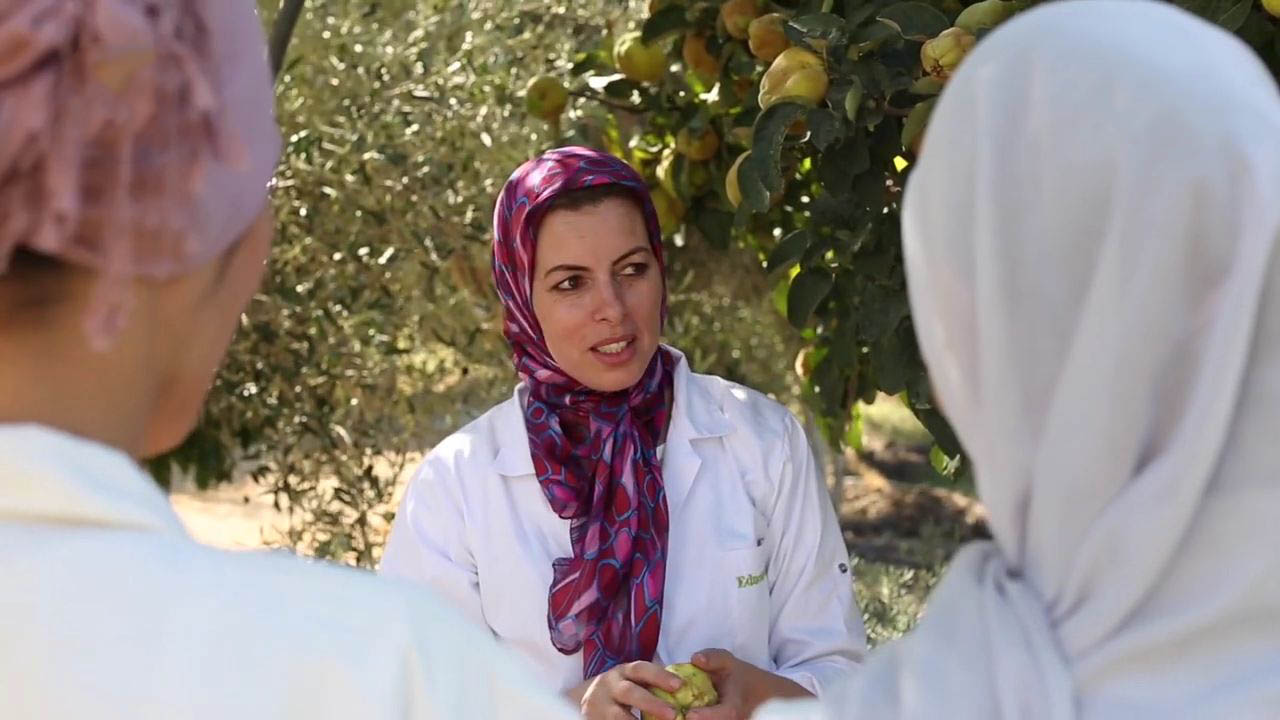
This work draws on rural women’s close relationship with the land and its natural resources and on their knowledge of plants, growing seasons and uses, which participants shared through training and field activities and combined with practices that sustain production and protect the resources on which rural families depend.
Water and Sustainable Agriculture
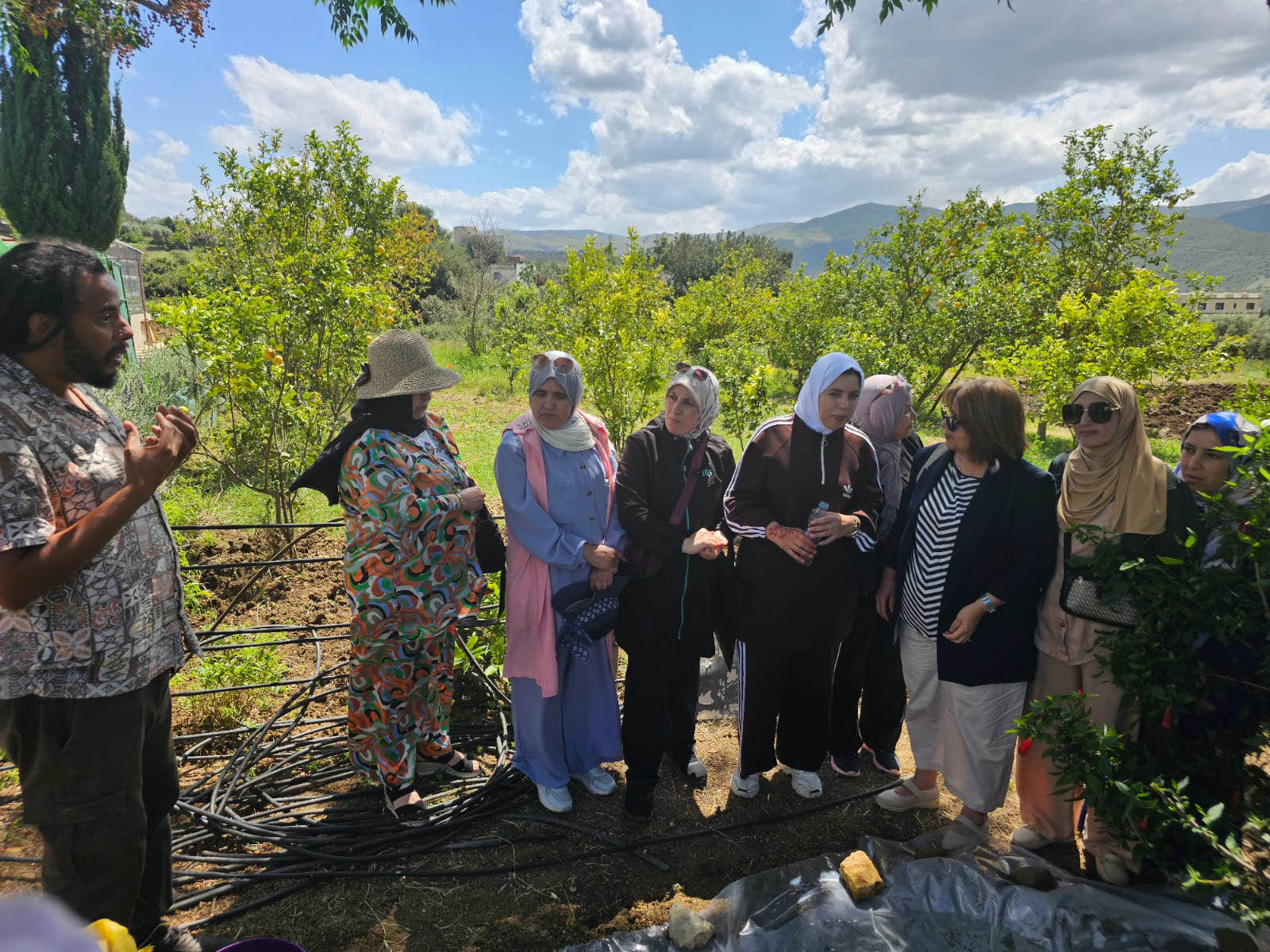
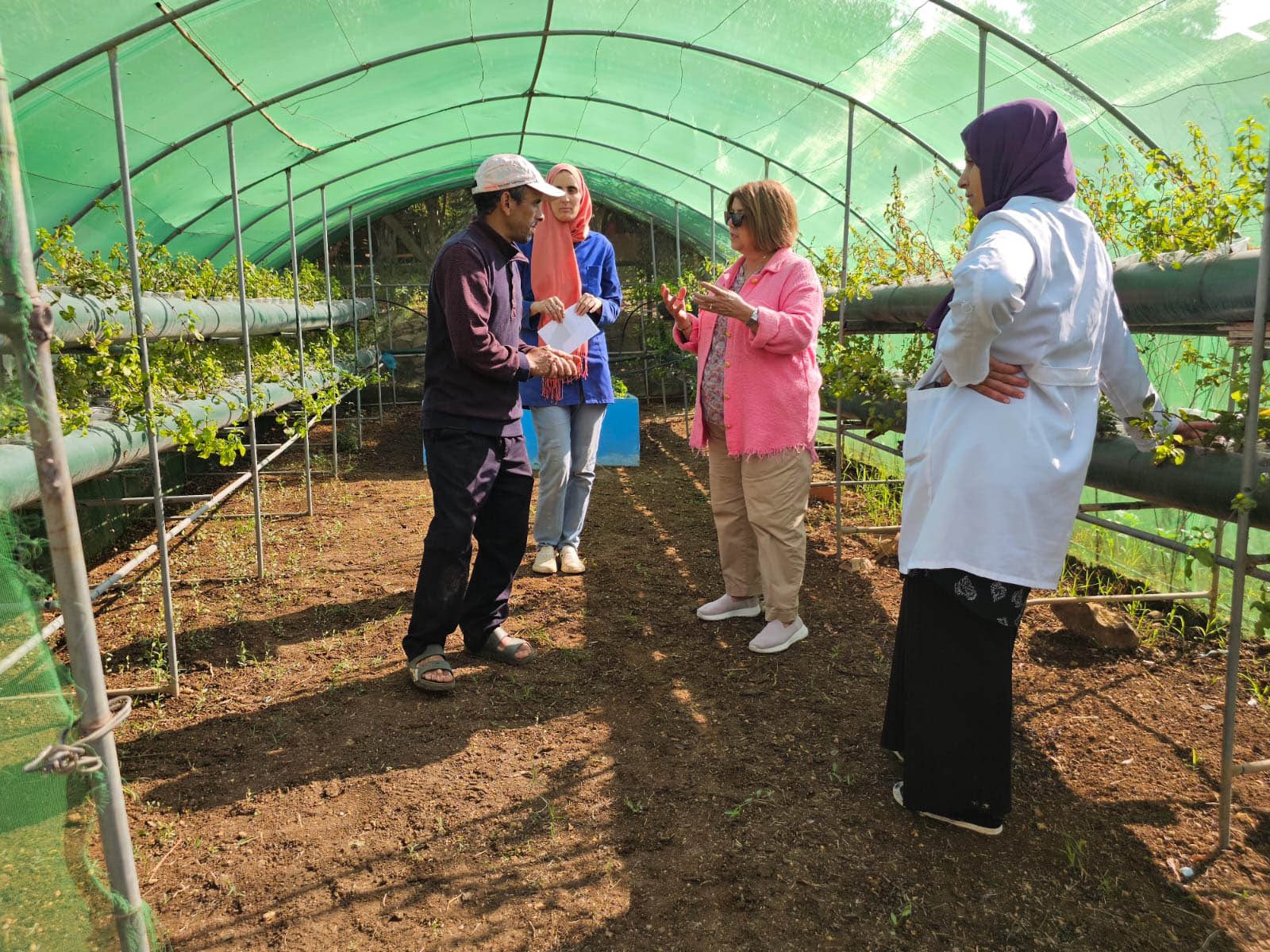
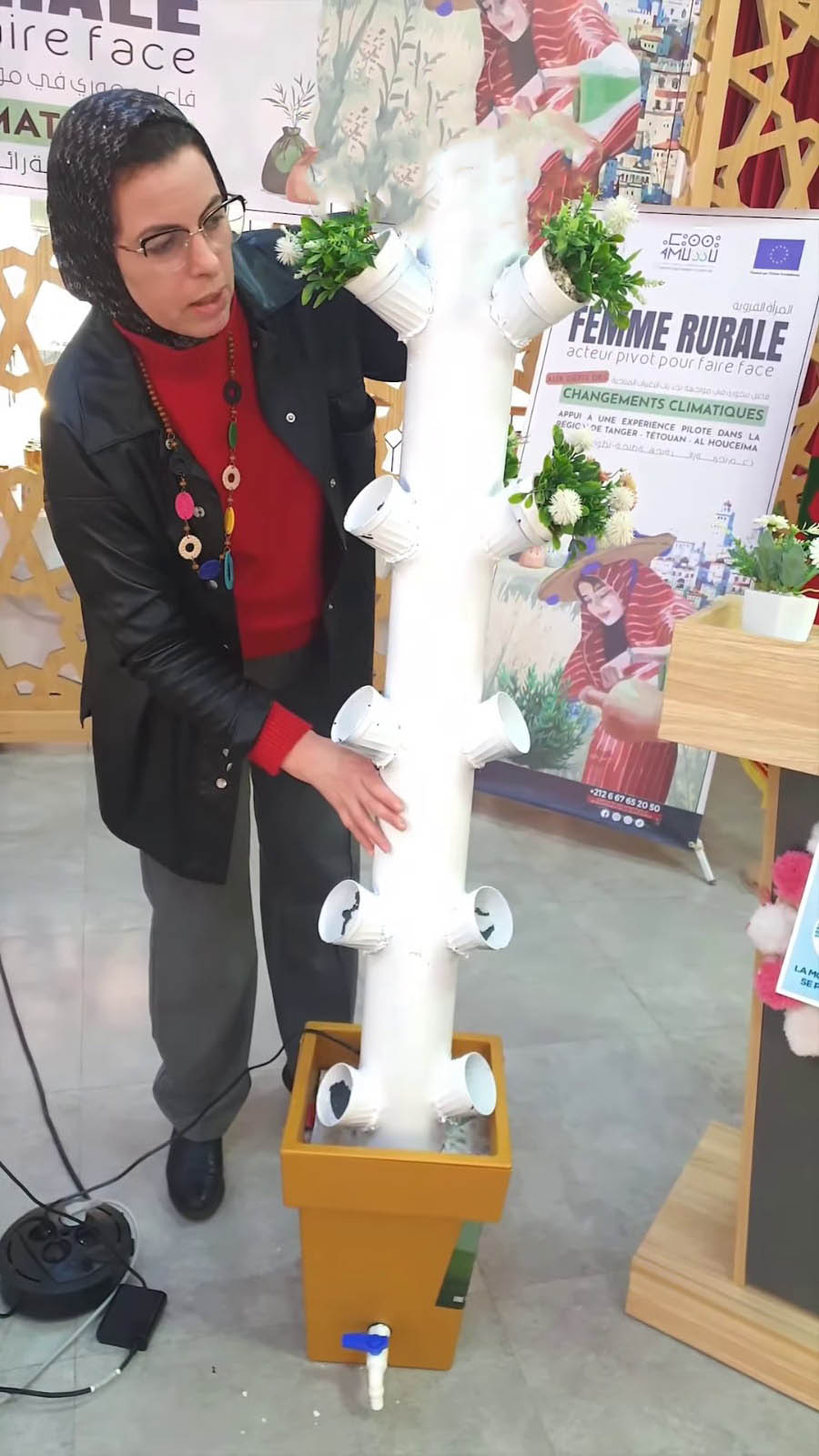
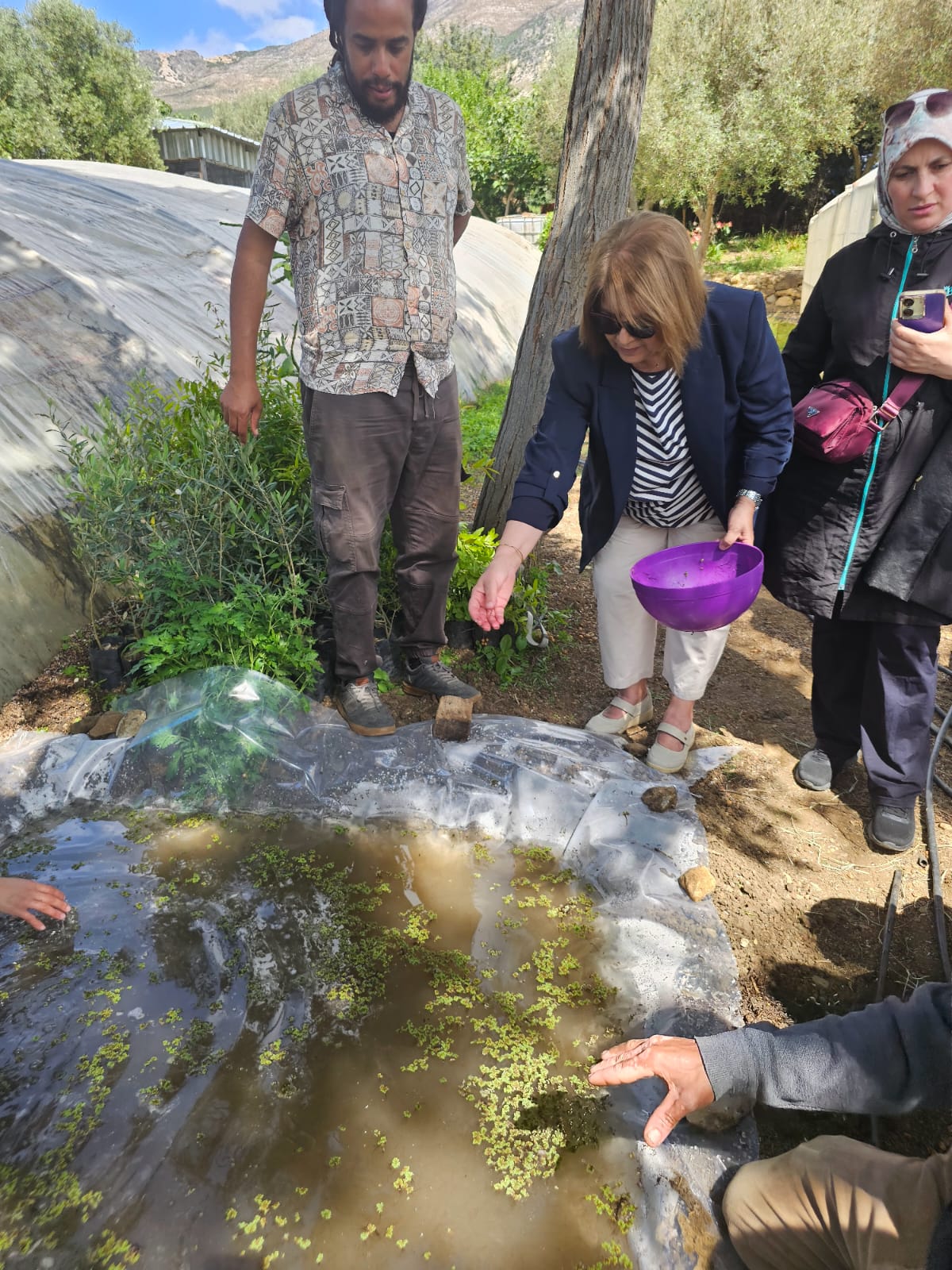
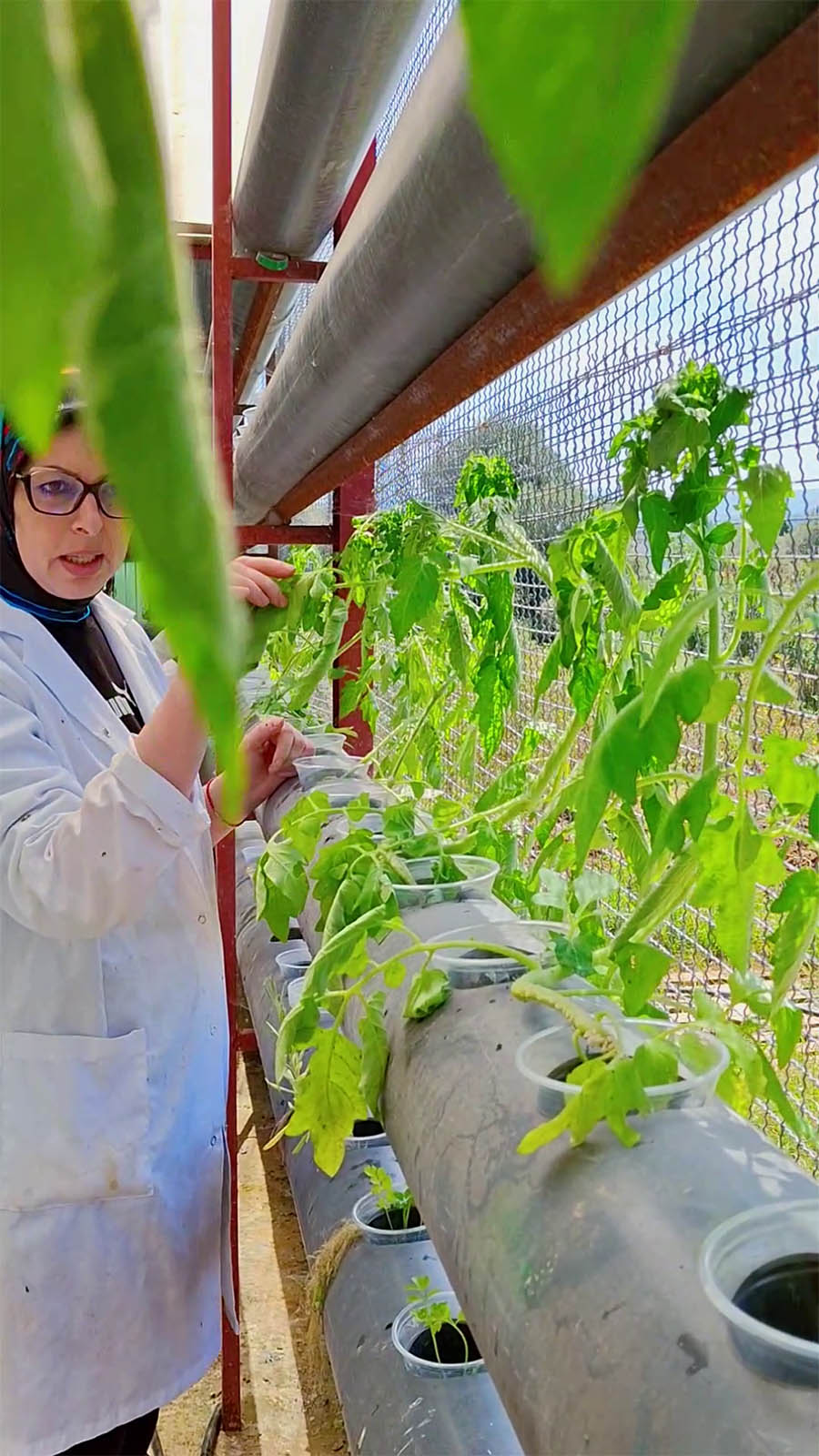
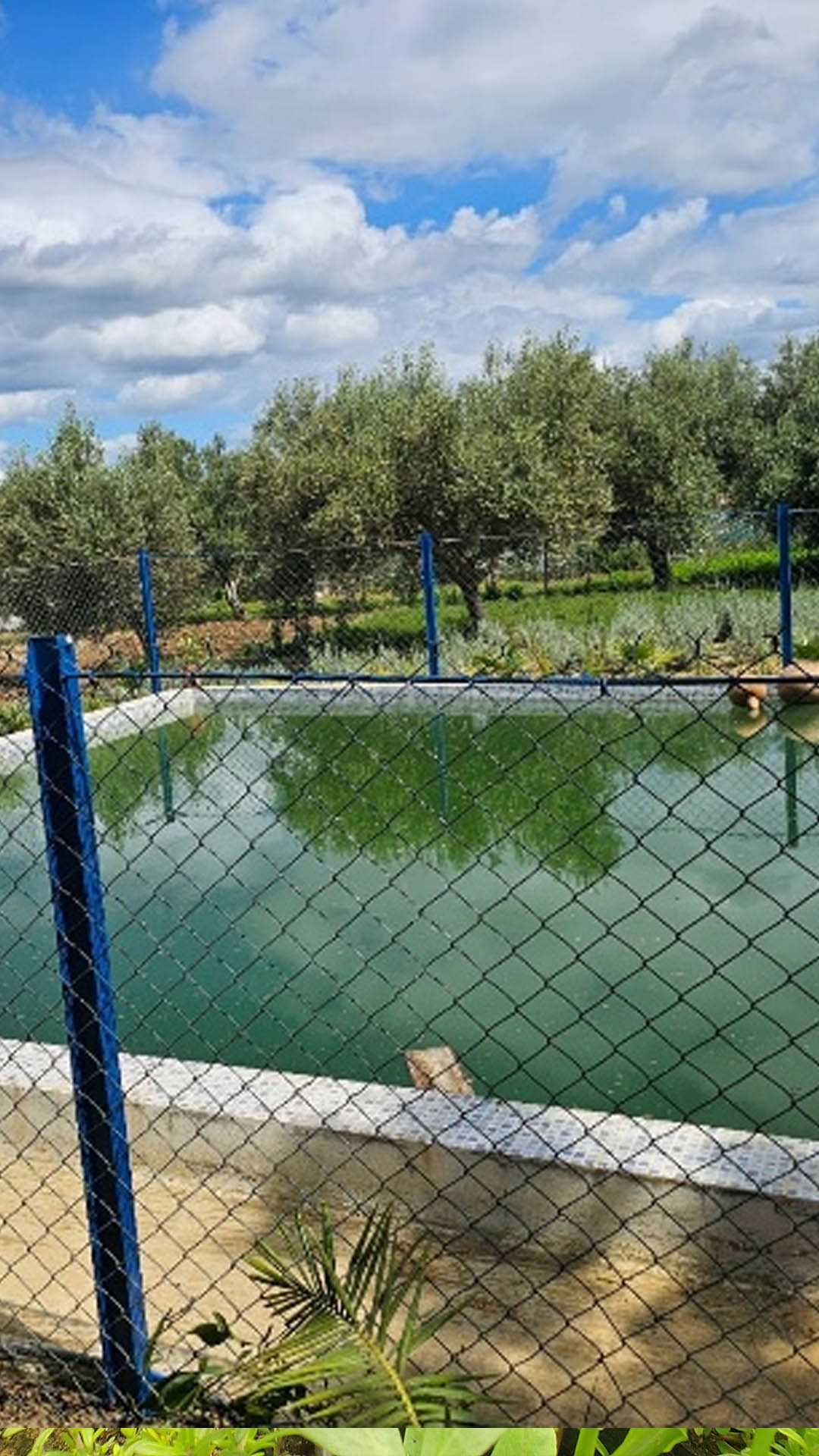
As climate change and water scarcity posed growing challenges, the association set up practical trials to introduce women to more sustainable ways of growing crops and producing goods, including drip irrigation, hydroponics and a pond for collecting and storing rainwater for agricultural use.
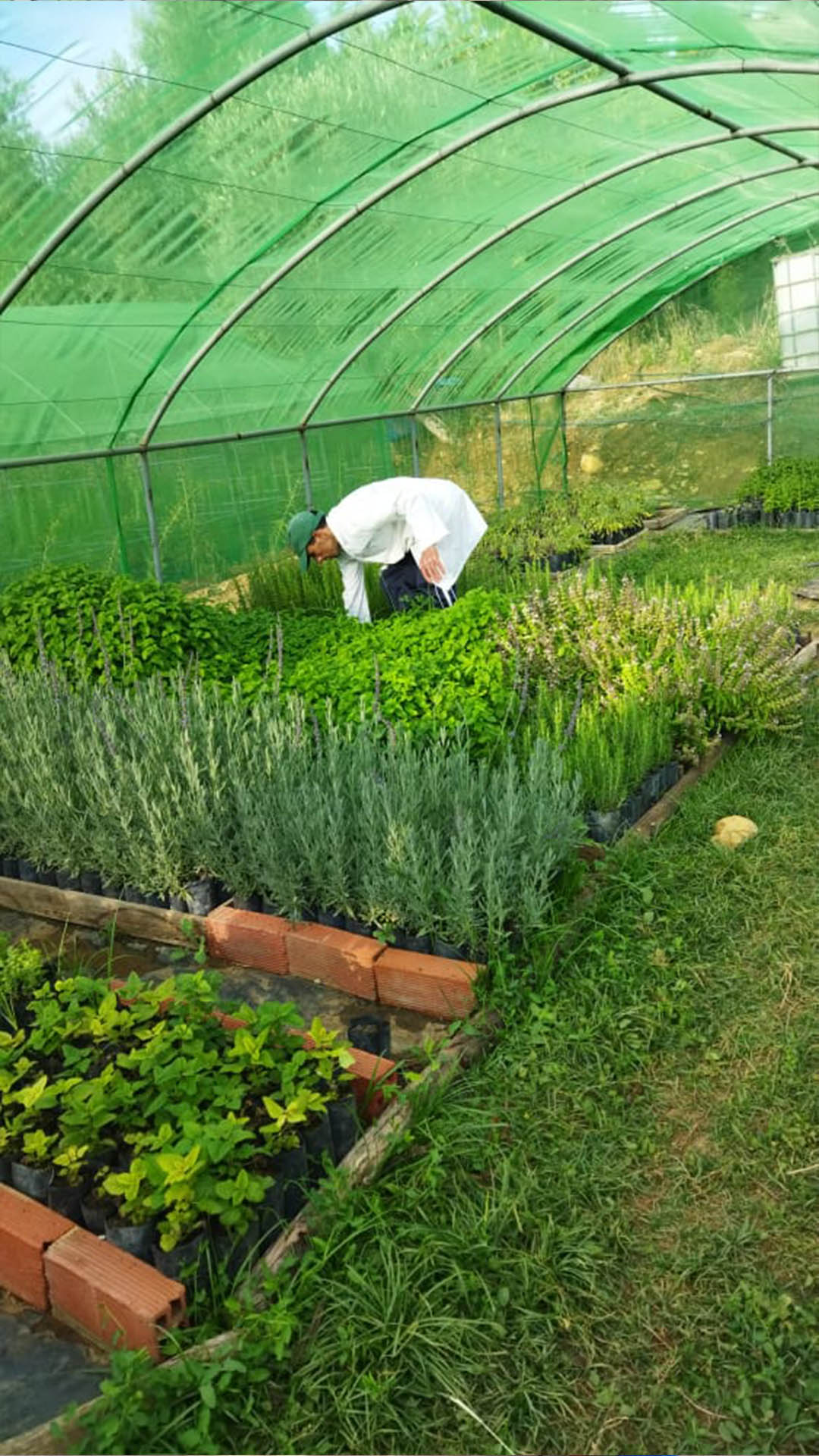
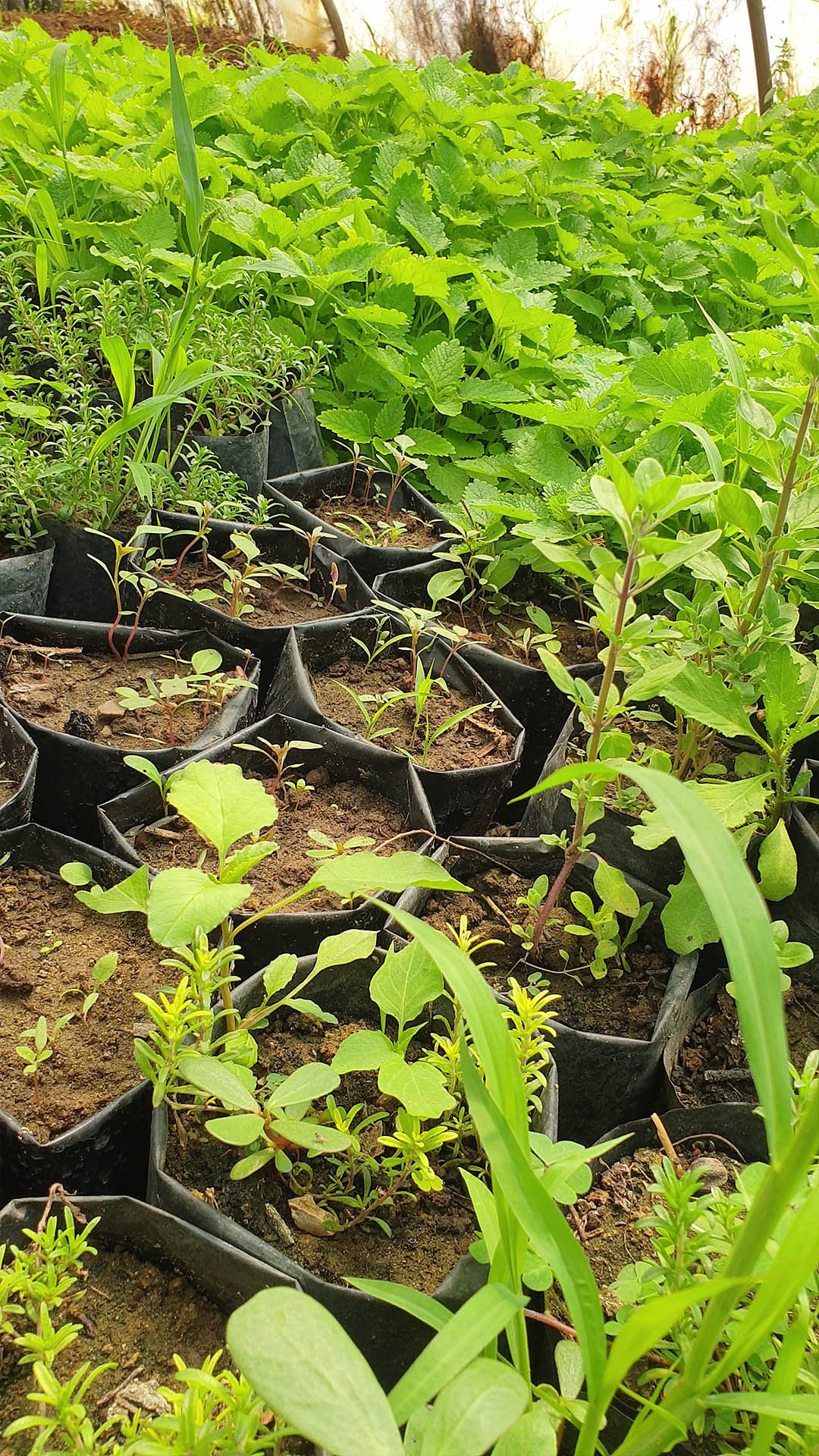
The association also developed its nursery to support production and supply the plants and seedlings needed, while testing ways to make better use of available space and resources and giving women the opportunity to follow each stage of cultivation and understand what each trial required.
The association worked with Azolla to explore its potential to support soil fertility and reduce reliance on certain agricultural inputs, alongside other trials aimed at using water more efficiently, improving yields and conserving natural resources.
The association takes part in programmes and projects on environmental awareness, climate adaptation, water management and sustainable agriculture, involving women in field trials and introducing them to solutions they can apply to their own farming and production activities according to the resources they have and the conditions in their area.
Economic Empowerment and Practical Support
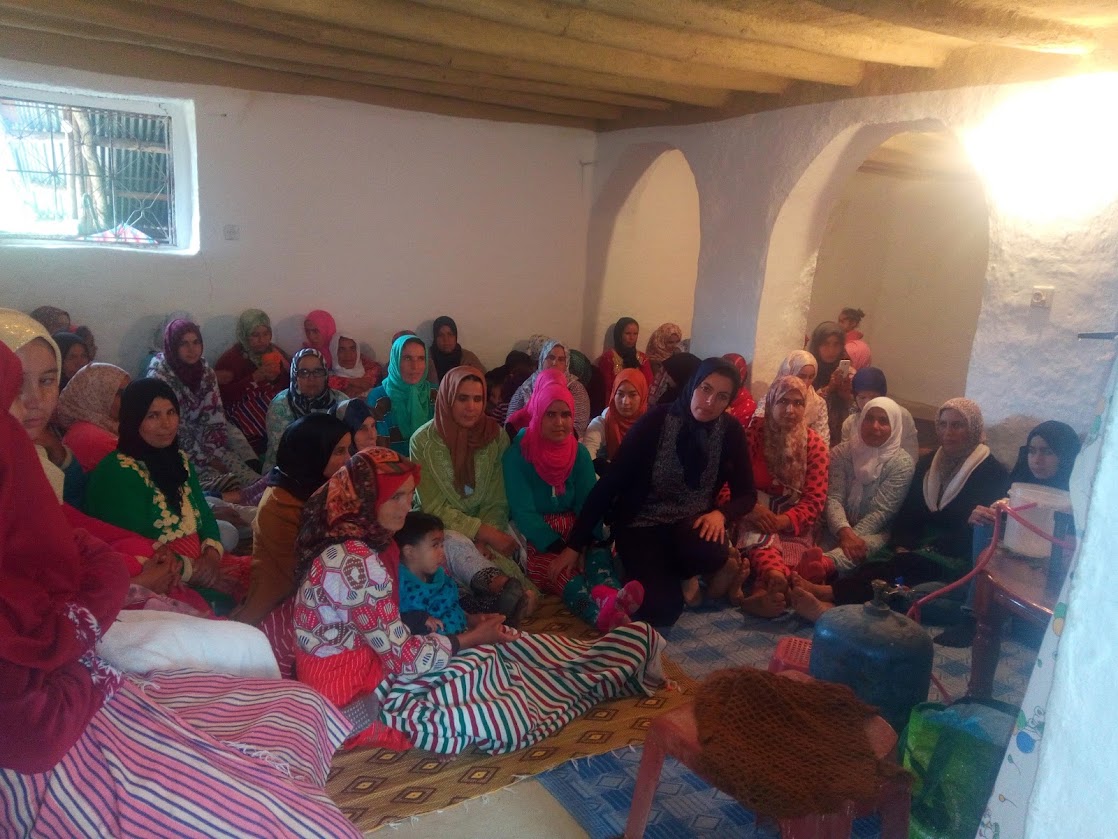
Training has been central to the association’s work since its early years, with more than sixty women taking part at some points during that initial period in courses covering goat and poultry farming, medicinal and aromatic plants, and techniques for producing, processing and adding value to local products, alongside guidance on choosing activities suited to their abilities and the resources available in their area.
The association used hands-on training to help participants understand each stage of the work, practise techniques and build their skills gradually, then followed up in the field to discuss difficulties and share experience that could help women improve and develop their activities.
Training was the first step in a process that moved from building skills to applying them and organising work, then encouraged women to start their own projects and join or help establish cooperatives, enabling some participants to begin producing goods, work together through cooperatives and take on a greater role in their local economies.
Spaces for Hands-On Learning and Field Trials
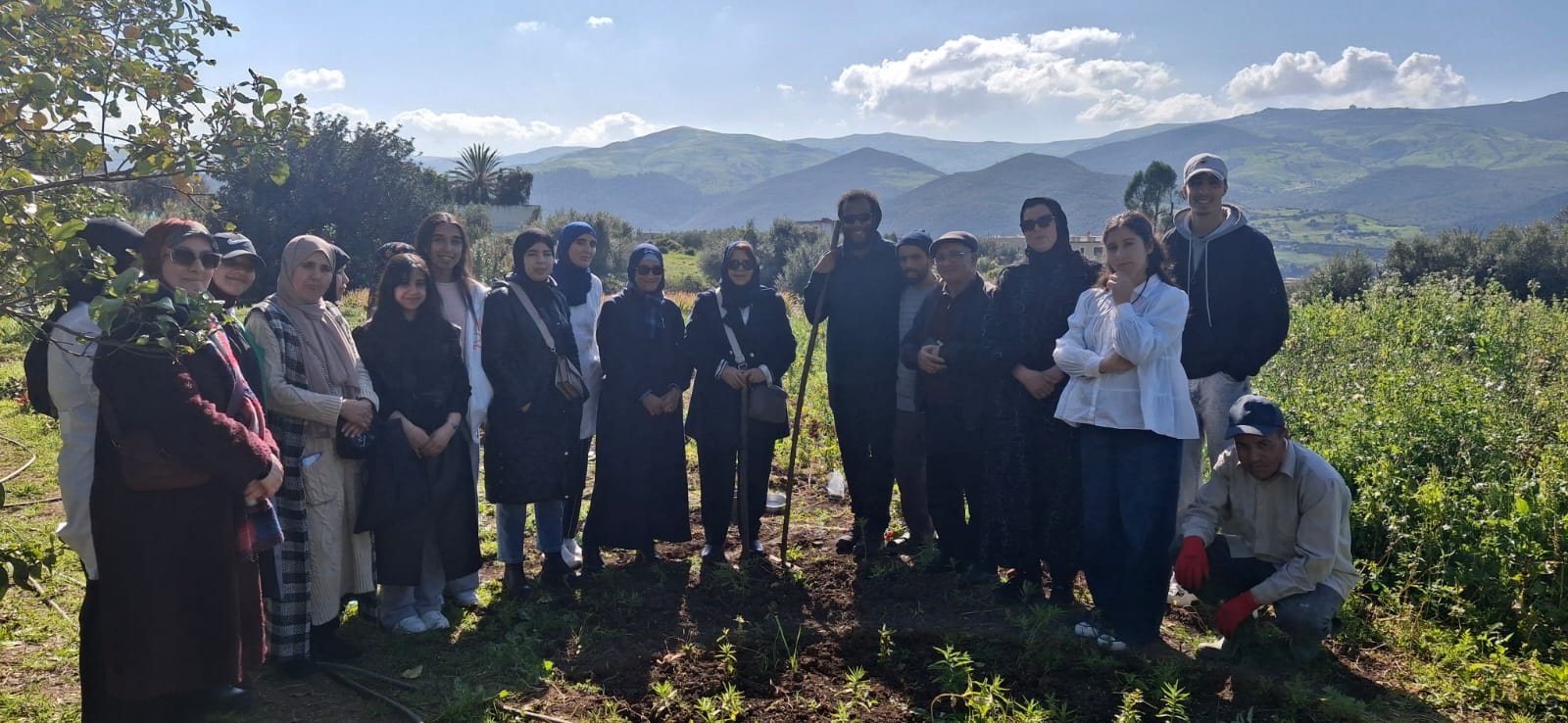
The association uses its field trials as a basis for training and sharing knowledge, combining learning by doing with on-site guidance so participants can observe the work, follow each step, understand the results and recognise difficulties they may encounter when applying what they have learned.
The site that hosts some of the association’s activities has facilities for production and experimentation that support practical training and give women first-hand experience of the different stages of cultivation, production and processing.
These spaces allow women to discuss trials, compare observations and see how different techniques affect product quality and yields, helping them decide which methods suit their own activities and what tools and skills they need to develop them.
Leadership and Women-Led Initiatives
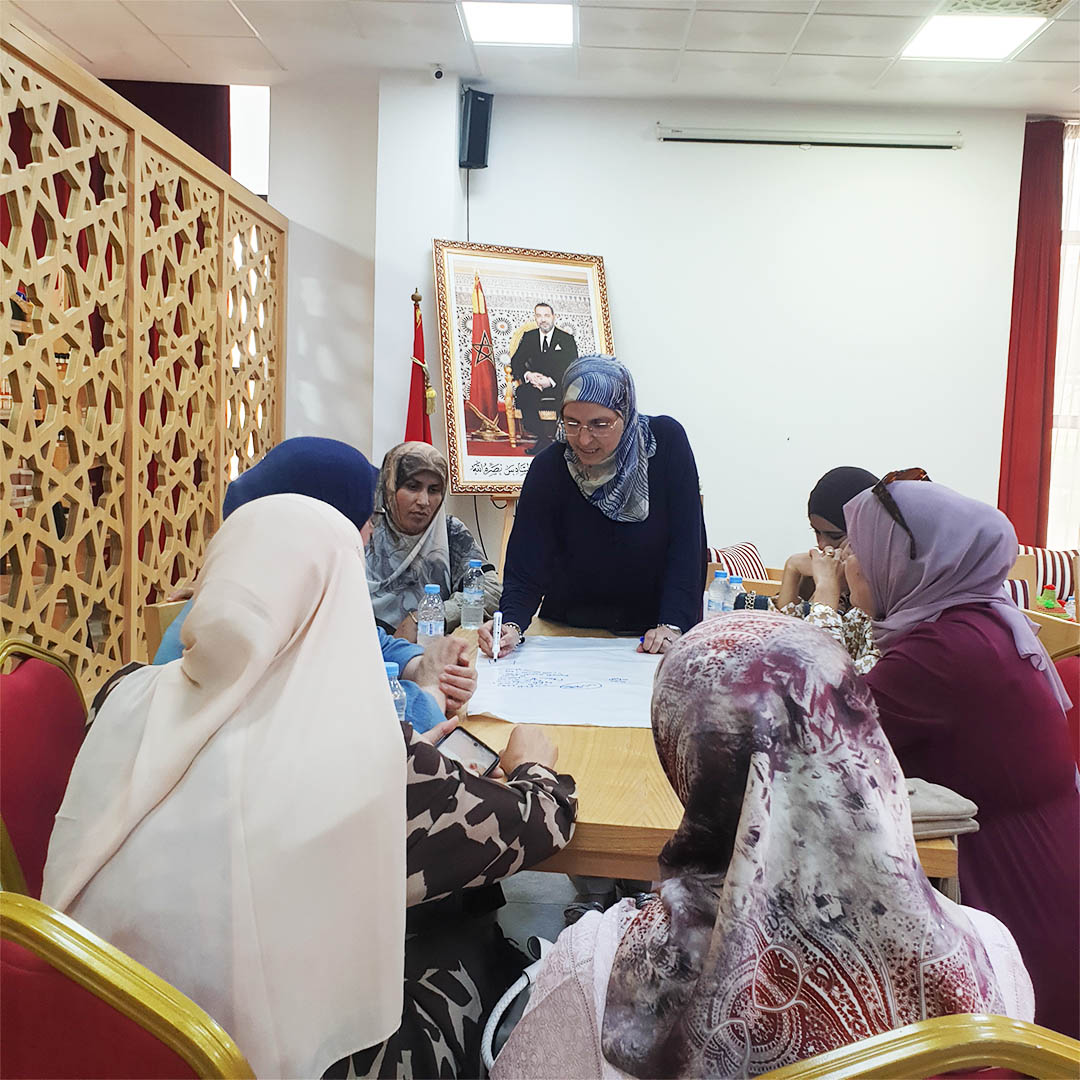
Alongside technical and digital training, the association helps women build leadership skills and gain the confidence to take the initiative and participate in decisions about their projects, while developing their ability to organise work, solve problems and handle everyday challenges.
The association encourages women to share ideas and draw on individual and collective experience to develop activities that can adapt to economic, environmental and digital change, and helps them apply what they learn to projects they can manage, develop and sustain.
This work strengthens women’s participation in cooperatives and local initiatives and expands their opportunities to contribute to production, organisation and marketing, helping them play a greater role in the local economy and in decisions about their work and resources.
Digital Skills and Access to Markets
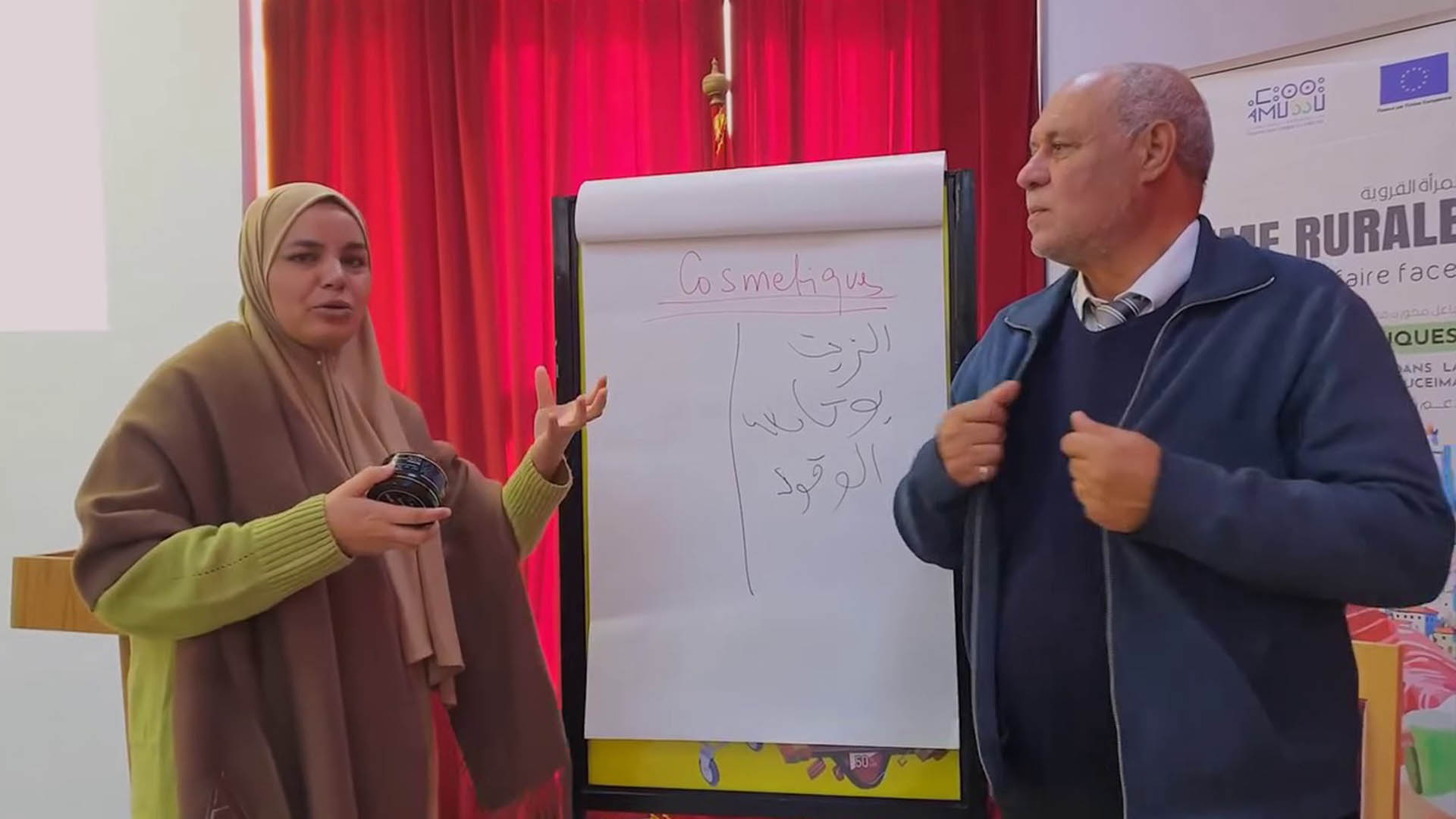
As women’s projects and production activities developed, they needed new ways to showcase their products, communicate with customers and reach markets, so the association provided training in digital marketing and using social media to present products, share information about them and reach a wider audience.
This support also introduced women to artificial intelligence tools for developing ideas, creating content and improving how they present their products, with attention to the needs of each project and the resources available to participants.
Participants discover ways to improve how they communicate and market their products, keep up with changing markets and use digital tools to support their activities and make their products more visible.
Making Better Use of Medicinal and Aromatic Plants
As the association’s work developed, medicinal and aromatic plants became a major focus because of the region’s plant diversity, natural resources and local knowledge of plant uses, which offered women opportunities to develop economic activities while using these resources responsibly and preserving them for the future.
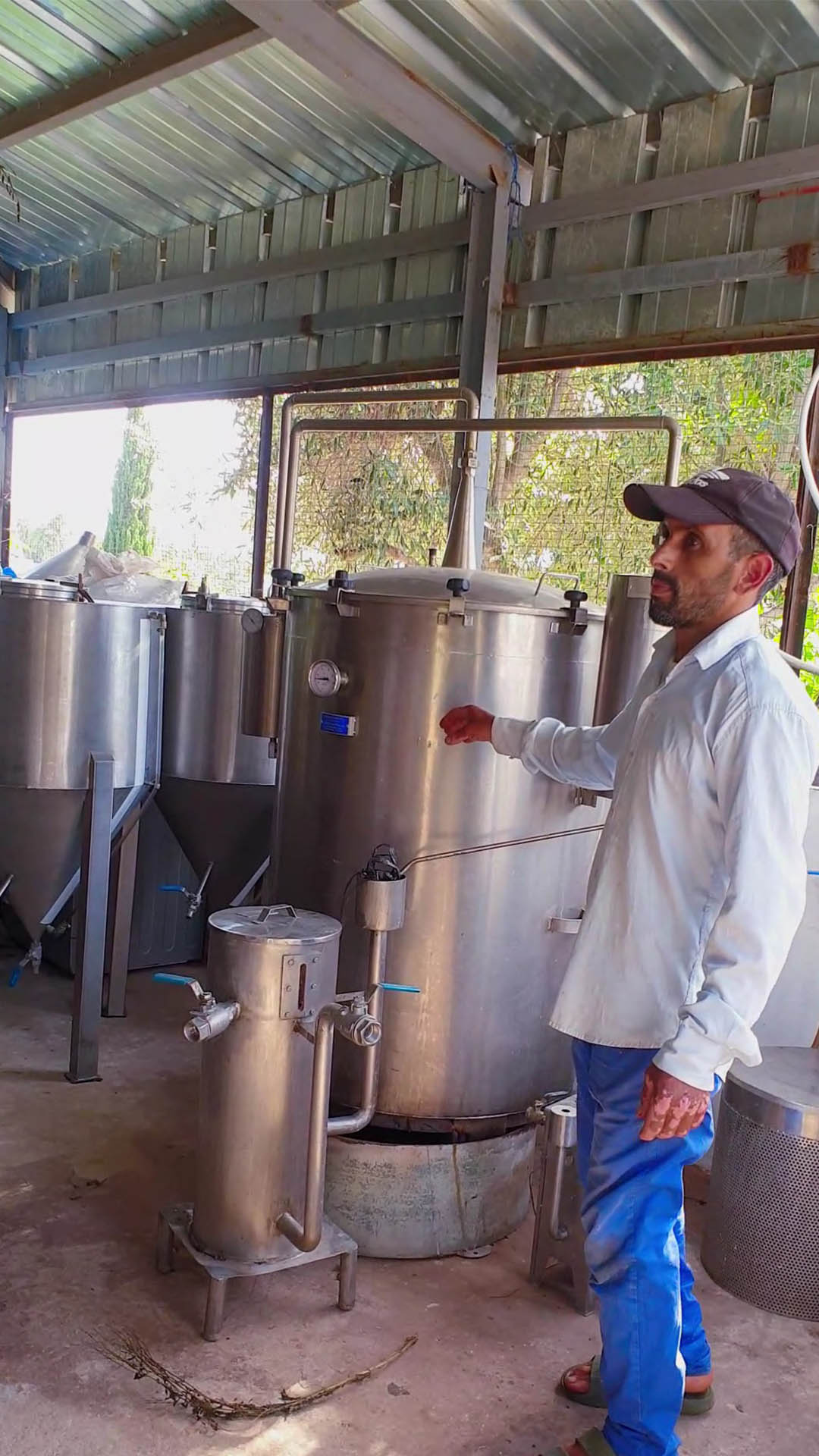
Women learned about the properties of local plants and how to grow, harvest, dry, preserve and process them, as well as how to use distillation to obtain essential oils and floral waters, while the association also established nurseries, produced seedlings and expanded cultivation of selected plants with economic potential.
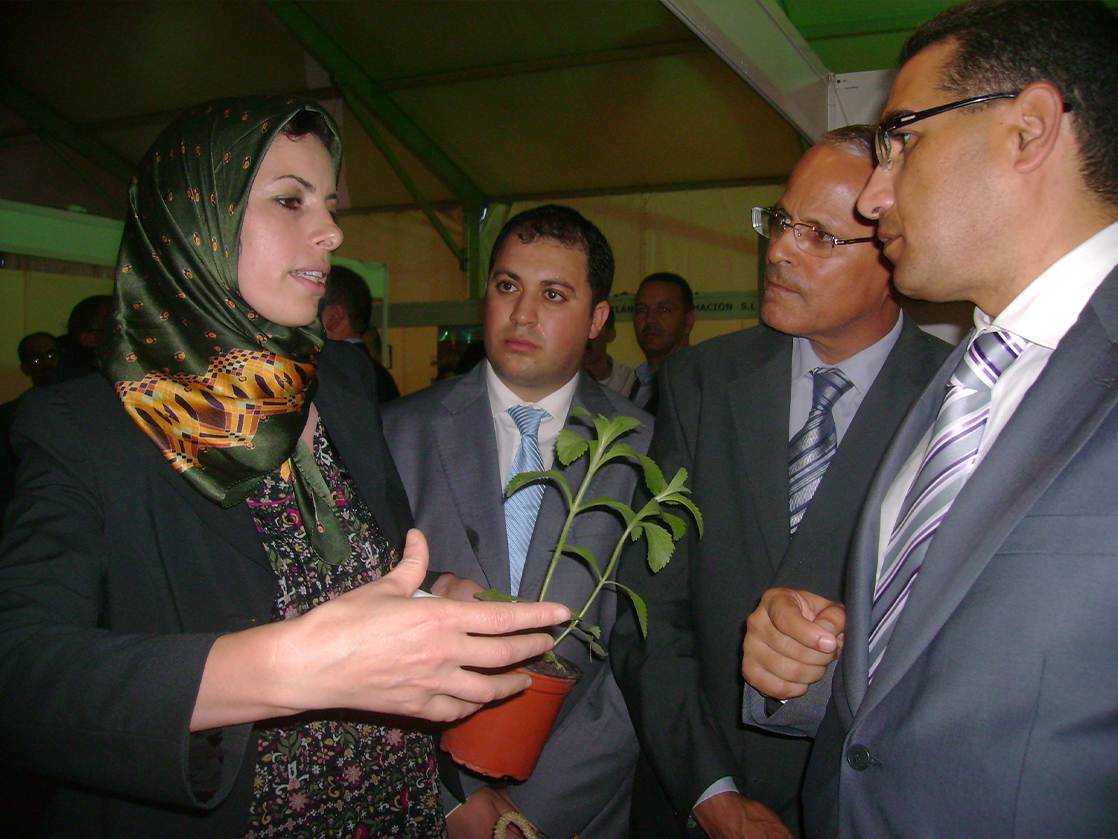
The association helped introduce and trial crops and plants new to the area, including saffron and argan, to assess how well they grow under local conditions, how they could be used or processed and what production opportunities they might offer.
Activities included producing plants for sale fresh or dried, obtaining essential oils and floral waters from different species, producing and distributing seedlings, and expanding the area under cultivation, alongside work to improve marketing opportunities for participating women and local cooperatives.
By moving from producing raw materials to processing them into marketable products with added value, women were able to make better use of local resources, diversify household income, improve living conditions for rural families and gain greater independence.


Sharing What We Learn in the Field
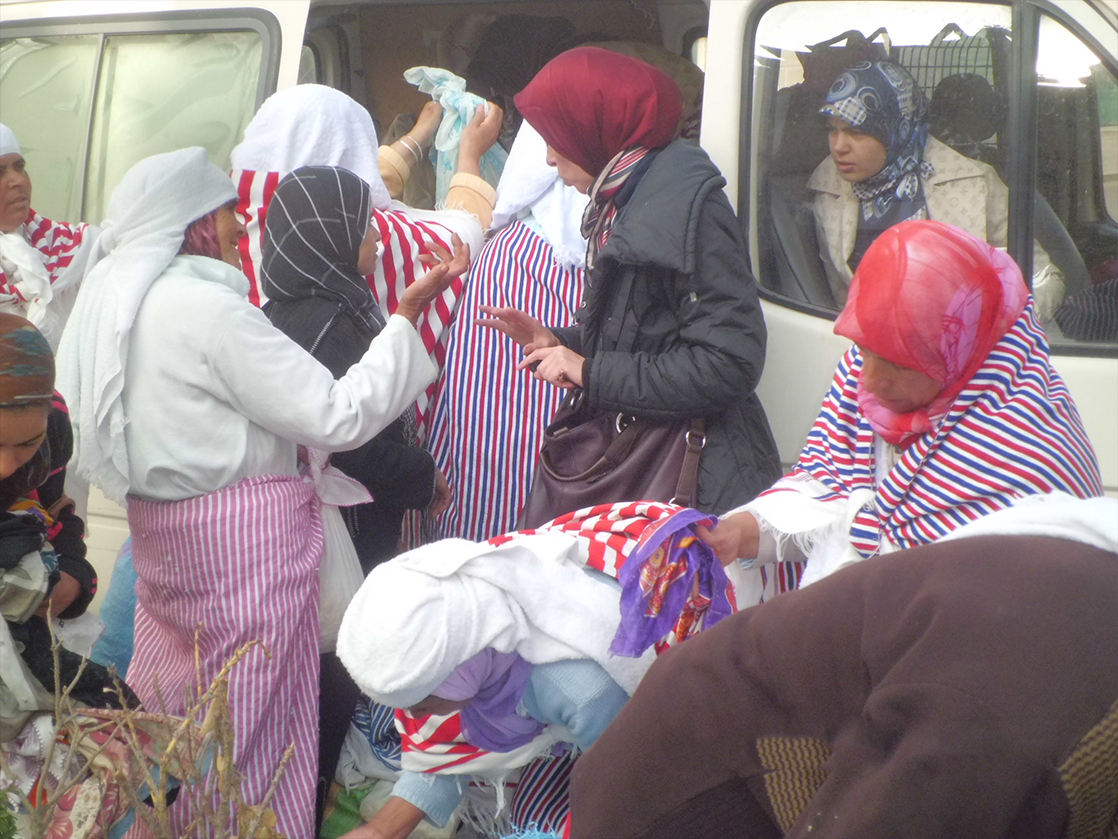
The association encourages women to share what they learn through training and fieldwork, so that one participant’s experience in cultivation, processing or running an economic activity can help others learn, avoid some of the same difficulties and develop their own activities.
Through these exchanges, experience gained in the field becomes a shared source of practical knowledge for cooperatives and women-led initiatives, and the association’s facilities give women a place to learn, test methods and discuss solutions suited to their circumstances and the resources available locally.
The Ain Lahjar Association has built its work around the link between rural women’s empowerment and sustainable development, recognising women’s knowledge, experience and ability to produce, protect resources and share what they learn, and supporting them at each stage of training and work.
Today, the association continues to provide training and practical support and work on medicinal and aromatic plants, sustainable agriculture, water, climate, the environment and the digital transition, with these activities forming part of its work on the green and blue economies and recognising rural women as essential partners in developing the region and improving living conditions for its residents.